
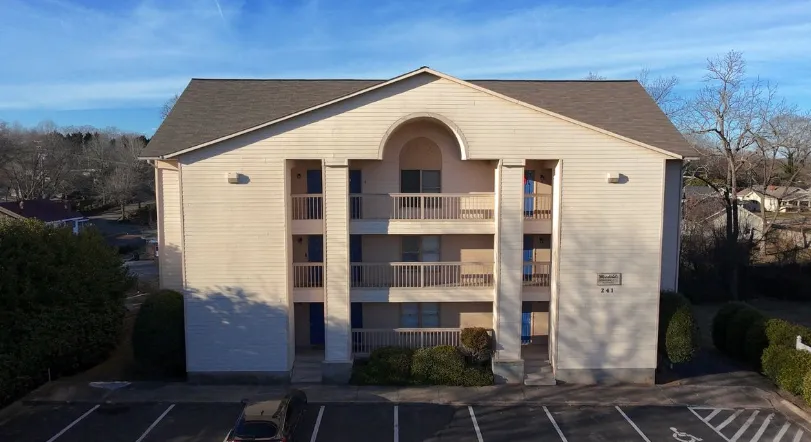
What Is a Multifamily Syndication? A Plain-English Guide
The first time someone explained a multifamily syndication to me, they used so much jargon that I nodded politely and understood almost none of it. Sponsor, GP, LP, waterfall, pref, capital call, it sounded like a language built specifically to keep regular people out.
So let me do for you what I wish someone had done for me: explain what a multifamily syndication actually is, in plain English, with no assumption that you already speak the language. By the end of this, you'll understand the structure most passive real estate investors use to own large apartment communities, and you'll be able to ask sharper questions of anyone who pitches you one.
The structure, in plain language
A syndication is simply a group of people pooling money to buy something none of them could buy alone.
Imagine a 96-unit apartment community costs $12 million. Very few individuals are going to write that check by themselves. So instead, two kinds of people come together:
- The General Partner (GP), also called the sponsor or operator. This is the team that finds the deal, arranges the financing, manages the property, and executes the business plan. They do the work.
- The Limited Partners (LPs), the passive investors. They contribute capital, own a share of the property, and receive their portion of the cash flow and profits. They don't manage anything.
That's it. The "syndicate" is just the partnership that holds the property, usually a single-purpose LLC formed specifically for that one deal. You invest in the LLC; the LLC owns the building.
The word passive is the important one for most investors. As an LP, you are not fixing toilets, screening tenants, or fielding 2 a.m. maintenance calls. You wired capital, and your job is essentially done. The operator's job is just beginning.
How the money actually moves
This is the part people find genuinely mysterious, so let's walk the whole lifecycle of a dollar.
- You commit capital. During the raise, you decide how much to invest (deals have minimums, often $50,000 or $100,000) and you sign subscription documents. When the deal closes, your money is wired into the partnership.
- The property produces income. Tenants pay rent. After operating expenses and the mortgage are paid, what's left is distributable cash flow.
- You receive distributions. Your share of that cash flow is paid out to you, often monthly or quarterly, according to the terms in the offering documents. Many deals offer LPs a preferred return ("pref"), meaning LPs get paid first up to a certain percentage before the sponsor shares in the profits.
- The business plan plays out. Over a typical hold of three to seven years, the operator improves the property, renovating units, raising below-market rents, tightening expenses. This is the "value-add" strategy, and it's how the property becomes worth more than it cost.
- The exit (or refinance). Eventually the property is sold or refinanced. Proceeds return your original capital plus your share of the appreciation. This is usually where the largest portion of an investor's total return is realized.
A quick, honest note: not every deal goes to plan, and distributions are never guaranteed. We'll get to that.
Who does what
It helps to see the whole cast of characters:
- General Partner / Sponsor, sources the deal, signs on the loan, runs the business plan, communicates with investors. Carries the most responsibility and risk.
- Limited Partners, provide most of the equity, own a proportional share, stay passive.
- Property management company, handles day-to-day operations on the ground (leasing, maintenance, rent collection). Sometimes the sponsor's own team, sometimes a hired third party.
- Lender, provides the mortgage, which is usually the largest single source of money in the deal. The terms of that loan matter enormously (more on that in a future post).
When you evaluate a syndication, you are really evaluating people, chiefly the sponsor. A great property with a weak operator is a worse investment than an ordinary property with a disciplined, honest one.
Why this structure even exists
Two reasons: scale and tax efficiency.
Scale, because pooling capital lets ordinary investors own institutional-quality assets, the kind of professionally managed apartment communities that were historically reserved for pension funds and the wealthy. You get the benefits of a $12 million property with a fraction of the capital and none of the operational headache.
Tax efficiency, because real estate carries advantages that many other investments simply don't, chief among them depreciation, which can shelter a meaningful portion of your distributions from taxes. (That topic deserves its own article, and it'll get one.)
If you want the broader investor's case for the asset class itself, cash flow, tax treatment, inflation resilience, and forced appreciation, I lay it out on the Why Multifamily page.
What can go wrong
I won't pretend this is risk-free, because that would be both dishonest and, frankly, a red flag if anyone ever tells you otherwise.
- Leverage cuts both ways. The mortgage that amplifies returns also amplifies losses. Aggressive debt, especially short-term, floating-rate debt, has sunk otherwise sound deals when interest rates moved.
- Business plans miss. Renovations cost more than projected; rents don't rise as fast as underwritten; a local employer leaves town.
- Illiquidity. Your capital is committed for years. You can't sell your LP shares the way you'd sell a stock.
- Operator risk. A sponsor who over-promises, under-communicates, or mismanages can damage a good asset.
This is exactly why the U.S. Securities and Exchange Commission limits most of these private offerings to accredited investors, people deemed financially able to absorb the risk. (If that term is new to you, the SEC explains it plainly at investor.gov, and I've written a fuller breakdown of what it means and how to qualify.)
None of these risks are reasons to avoid syndications. They're reasons to invest with discipline, to read the documents, and to choose your operators carefully.
Why I work in syndications
I came to real estate the long way, two and a half decades in international trade, then years building my own portfolio of single-family homes, small multifamily, and short-term rentals before I ever stepped into large multifamily.
What pulled me toward syndications is the same thing that pulls me toward this work every day: they let people build real wealth without having to become landlords. Most of the investors I talk to aren't trying to start a second career managing property. They're busy professionals, first-generation wealth builders, and people who were never handed a roadmap for any of this. They want their money working without it consuming their time, because the whole point of building wealth is buying back time with the people who matter.
A syndication, done right and with the right people, is one of the cleanest ways I know to do exactly that.
Where to go from here
If this was your first clear look at how multifamily syndications work, you're already ahead of where I was when I started. The next step isn't to invest in anything, it's to get your questions answered by a human who won't talk down to you.
That's what an introductory call is for. No pitch, no specific deals, just a conversation about whether this path fits your goals. You can schedule one here whenever you're ready.
This article is for educational purposes only and does not constitute investment, legal, or tax advice. See our Investor Disclosures.